Guide · Shoes, bags and accessories ·
How to Clean Boots
In autumn and winter, boots are the shoes most soiled by mud, rainwater, snow and road salt; their insides also hold moisture because they are worn for long hours. How boots are cleaned depends on their material: rubber (rain) boots are easily washed with water and a neutral cleaner, fabric boots are cleaned with a damp cloth, while leather, suede and nubuck boots do not tolerate water and are cleaned with dry methods or by a shoe-care specialist. This guide explains how to clean boots, rubber boots and the inside of boots. For trainers, see the guide how to wash trainers.
Before you start
- Know the material: find out from the maker's label or box whether the boots are rubber, fabric, leather, suede or nubuck.
- Let the mud dry: do not spread wet mud; once dry, it comes off more easily with a brush.
- Remove laces and insoles: on laced boots, clean the laces and, if removable, the insoles separately.
- Do not put them in the machine: boots are not washed in the washing machine; they lose their shape and the glue can dissolve.
How to clean rubber boots: step by step
- Brush off dried mud and soil with a brush that is not hard; pay attention to the grooves in the sole.
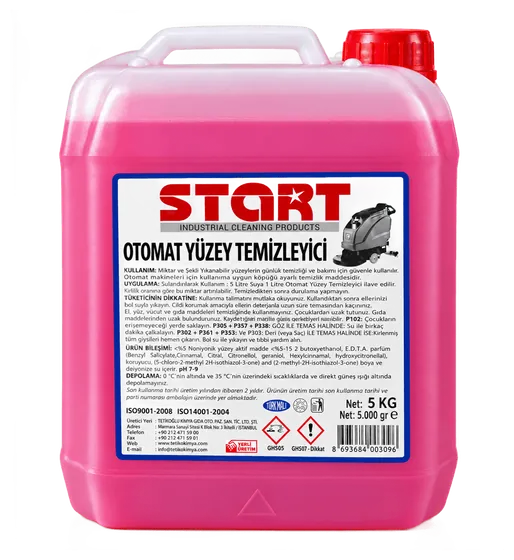
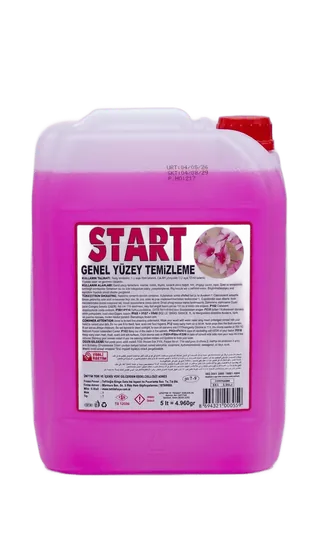
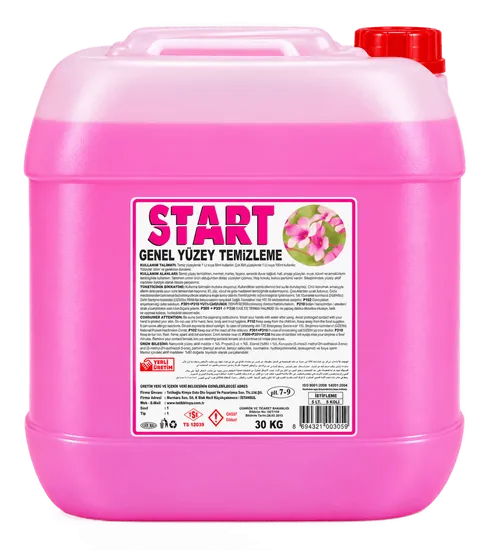
- Fill a bucket with lukewarm water and add START all-purpose surface cleaner in the amount on the label. According to its safety data sheet, our START all-purpose surface cleaner has a pH of 7–8.
- Wipe the outside of the boots from top to bottom with a soft brush or sponge.
- Rinse the boots with plenty of clean water; try not to let water get inside.
- Wipe the outside with a dry cloth and leave the boots to dry upright in the shade, without turning them upside down.
Fabric boots
Canvas and fabric boots do not go in the washing machine. Add a small amount of detergent for coloureds to lukewarm water, wipe the fabric with a well-wrung cloth or a soft brush and remove the foam with a clean damp cloth. Do not soak the fabric; coloured fabric can bleed, so test first on a hidden spot. For the edges of the rubber sole, see the guide how to clean shoe soles.
How to clean the inside of boots?
- If the insole is removable, take it out and clean it separately; a fabric insole is wiped by hand with a little detergent in water and dried completely.
- Wipe the inside of the boot with a cloth dipped in lukewarm water with a little detergent and wrung out well; do not soak the inside.
- Wipe the inside once more with a clean damp cloth and leave the boot upright with its opening free until it is completely dry.
- Do not wet woollen and fur linings; only wipe them with a dry brush or a slightly damp cloth.
- Make sure the inside is completely dry before wearing the boots; moisture left inside can cause a bad smell.
Leather, suede and nubuck boots
- Leather boots: we have no product for leather. Remove dried mud with a soft brush, wipe the remaining mark with a slightly damp cloth and do not soak the leather in water; consult a shoe-care specialist for care products.
- Suede and nubuck boots: they do not tolerate water; brush them with a dry suede brush in the direction of the nap. We have no product for these materials; for stubborn stains, see a shoe-care specialist.
- Salt marks: we have no product for the white marks road salt leaves on leather and suede boots in winter; wipe the mark with a slightly damp cloth before it dries and consult a specialist.
How to dry boots?
- Dry the boots upright, with the opening free, in the shade in a well-ventilated place.
- Putting dry paper inside helps draw out moisture faster; replace the paper as it gets wet.
- Do not dry them on a radiator or stove or with a hair dryer; leather can harden and crack, and rubber and glue can deteriorate.
- Store the dry boots upright in the shoe cabinet; for details, see how to clean a shoe cabinet.
What not to do
- Washing boots in the washing machine.
- Soaking leather, suede and nubuck boots in water.
- Using bleach, acetone and thinner on boots.
- Drying boots on a radiator or stove.
- Putting boots that are damp inside away in a closed cupboard.
For factories and food businesses
Rubber work boots used in factories, food businesses, slaughterhouses and butcher shops and by cleaning crews get dirty by the end of each shift; brushing the outside and washing it with diluted neutral cleaner, drying the inside and storing the boots on upright racks keeps the routine orderly. Where hygiene and disinfection are required, follow your business's procedure and the relevant regulations. For a product list, see Factory cleaning supplies. START all-purpose surface cleaner is produced in 5 L and TETİK detergent for coloureds in 4 kg packs; for bulk purchases you can request a quote.